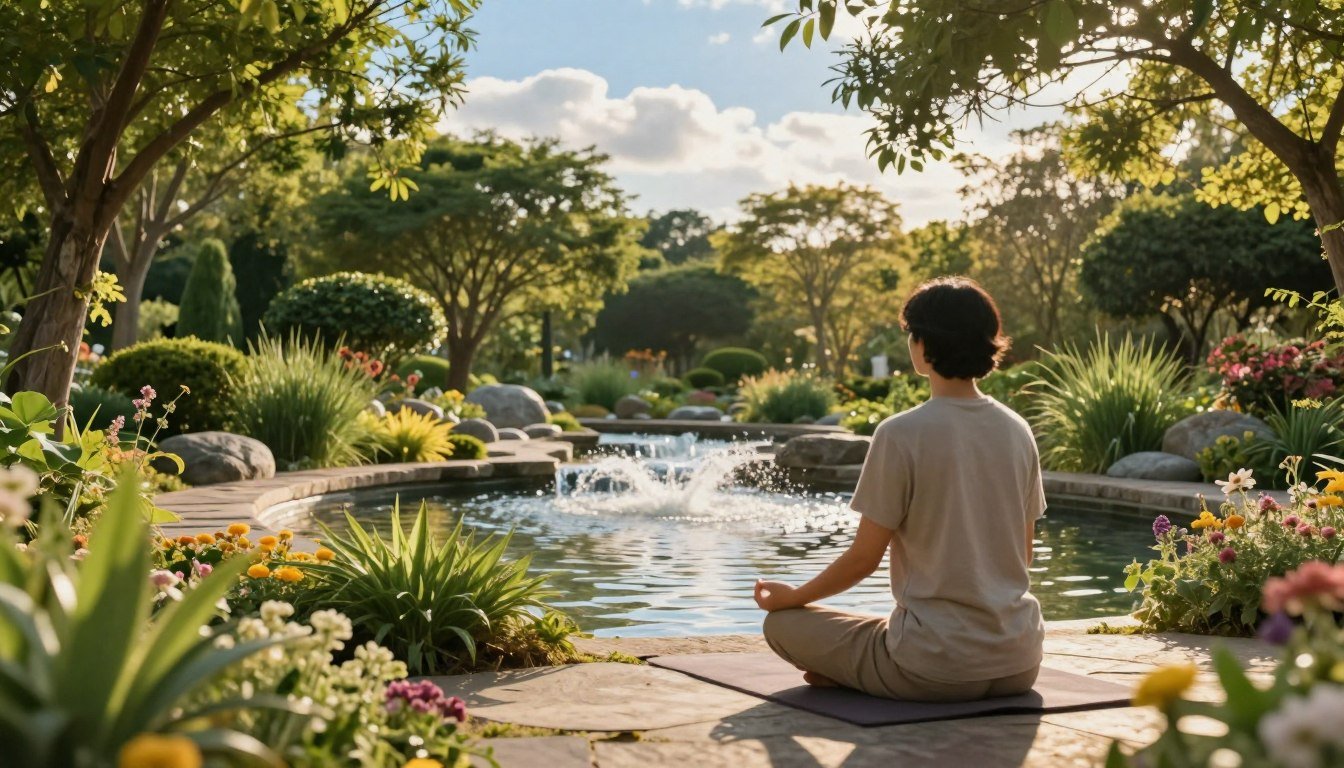
Modern life is often a race against time. Many face daily pressures that harm their mental and physical health. Learning how to reduce stress naturally is key to finding peace and bettering your life.
Simple, holistic habits can make your days more balanced. These easy methods help you handle stress without needing complicated solutions. By practicing consistent self-care, you build a strong base for emotional stability.
Choosing natural stress relief keeps you grounded when life gets tough. Small changes can make a big difference in your mood every day. Begin your path to a calmer life with these simple, yet powerful strategies.
Key Takeaways
- Prioritize consistent sleep schedules to improve emotional resilience.
- Incorporate mindful breathing exercises into your morning routine.
- Spend time in nature to lower cortisol levels effectively.
- Maintain a balanced diet to support your nervous system.
- Practice gratitude to shift your perspective on daily challenges.
Understanding the Physiological Impact of Chronic Stress
The body’s danger response is meant for survival. But, it can harm when triggered too often. When your brain sees a threat, it starts a hormone cascade to get ready for action.
This system is key for avoiding harm. But, it’s not meant to stay active for long.
The Fight or Flight Response Explained
The fight or flight response is quick and automatic. It’s managed by the sympathetic nervous system. When you sense danger, your body releases adrenaline and cortisol.
This makes your heart beat faster and your focus sharper. It’s meant to help you react fast in urgent situations.
After the danger is gone, your body should relax. But, in today’s fast world, many stay alert all the time. This constant alertness stops your body from healing.
This leads to chronic stress symptoms that can mess up your daily life.
Long-term Effects on Physical and Mental Health
Staying stressed for a long time can really hurt your health. It weakens your immune system, heart, and brain. It’s crucial to manage stress to keep your physical health benefits and mental well-being.
Using anxiety reduction methods helps your nervous system relax and heal. Knowing how your body reacts to stress lets you take charge of your health early. The table below shows the big difference between short-term and long-term stress.
| Feature | Acute Stress | Chronic Stress |
|---|---|---|
| Duration | Short-term | Persistent |
| Body Response | Adaptive | Maladaptive |
| Recovery | Rapid | Delayed or absent |
| Health Impact | Minimal | Significant |
Effective Lifestyle Changes to How to Reduce Stress Naturally
You can learn how to reduce stress naturally by focusing on your health’s basics. A balanced lifestyle helps your body handle daily stress better. Making small changes in your routine can protect you from stress’s harm.
Prioritizing Consistent Sleep Hygiene
Good sleep is key to managing emotions. Healthy sleep habits let your brain process the day and reset. This is crucial for emotional balance.
Creating a Calming Bedtime Routine
A nightly routine tells your body it’s time to relax. Dim the lights and avoid screens an hour before bed. Quiet activities like reading or stretching can improve sleep.
The Role of Circadian Rhythms in Stress Regulation
Your body’s internal clock affects your energy. Staying in sync with natural light cycles helps your hormones. Consistency is key for a stable mood.
Nutritional Strategies for Mood Stability
What you eat affects your mood. Eating right is a natural way to control cortisol and support wellness.
Foods That Help Lower Cortisol Levels
Eating certain foods can help lower cortisol. Foods like leafy greens and nuts are good for your nervous system. Whole, unprocessed foods keep your energy steady.
The Importance of Hydration and Reducing Caffeine Intake
Drinking enough water helps avoid anxiety symptoms like a racing heart. It keeps you focused and calm. Also, cutting down on caffeine helps manage stress hormones for a balanced lifestyle.
Mindfulness and Physical Movement Techniques
Natural stress relief meets in the quiet space of breathwork and gentle motion. By using mindfulness techniques, you can move from tension to calm. These wellness routines are key for balance in our fast world.
The Science Behind Deep Breathing Exercises
The deep breathing benefits come from how oxygen affects the vagus nerve. Slow, deep breaths tell your brain it’s safe to relax. This lowers your heart rate and cortisol levels.
Box Breathing and Diaphragmatic Techniques
Box breathing helps professionals stay focused. Inhale for four, hold for four, exhale for four, and hold again for four. Diaphragmatic breathing, or belly breathing, uses the diaphragm for deeper relaxation.
Incorporating Gentle Physical Activity
Gentle activity can be just as effective as intense workouts. It helps release tension and brings the body back to balance. Consistency is crucial for lasting benefits.
Benefits of Yoga and Tai Chi for Nervous System Regulation
Yoga and Tai Chi are great for nervous system regulation. They mix movement with focus. These practices help you stay present and strengthen your muscles, acting as a moving meditation.
Walking in Nature as a Grounding Practice
Walking in nature offers a unique sensory experience. It helps ground your thoughts. Fresh air and rhythmic movement reduce sensory overload. Even a short walk can clear your mind for daily challenges.
Creating a Supportive Environment at Home and Work
Your surroundings greatly affect how you handle daily stress. By carefully choosing your space, you can create a calm home environment that boosts your well-being. Using stress management strategies starts with seeing how your physical space affects your mind.
Setting Healthy Boundaries to Protect Your Energy
Keeping your mental health in check means setting clear limits. You should say no to tasks that take too much from you without giving back. Setting firm boundaries helps you save energy for what’s truly important.
At work, turn off notifications during deep work. At home, set times for no digital use. Protecting your peace is not selfish; it’s essential self-care.
Decluttering Your Physical Space for Mental Clarity
A messy desk or living room can reflect a cluttered mind. Simple mental clarity tips, like tidying up each day, can help. An organized space lets your brain focus better.
Begin by getting rid of things you don’t need. Keep only what’s essential within reach. Visual simplicity helps you stay calm and productive.
Utilizing Aromatherapy and Sensory Tools
Using your senses can quickly change your mood. Sensory tools help you stay present when feeling stressed. They’re key to modern stress management strategies.
Essential Oils for Relaxation
Aromatherapy for stress uses scent to calm the nervous system. Lavender, chamomile, and bergamot are great for relaxation. Use a diffuser or inhale directly for immediate relief.
The Calming Effect of Soothing Soundscapes
Sound greatly influences how we see our surroundings. Adding soothing soundscapes like rain or forest sounds can block out distractions. These sounds create a peaceful space, helping you stay focused and calm all day.
Conclusion
Peace comes from small, daily changes. You can change your mind by focusing on your needs.
Starting your day right is key to wellness. Start with one habit to build a strong base.
Every day of stress relief makes a big difference. You’ll see better focus and feelings as you keep going.
Living without stress isn’t about avoiding problems. It’s about facing them with strength and clarity.
Begin today with a habit that fits your life. Talk about it with loved ones to get support.