In today’s fast-paced world, keeping up with productivity is key to success.
With so many distractions, it’s hard to stay concentrated. Good focus techniques and concentration methods help us stay focused and reach our goals.
This article will look at different ways and productivity tips to boost your focus and concentration. These tips will help you work more efficiently and achieve success in your life.
Key Takeaways
- Understanding the importance of focus in productivity
- Learning effective concentration methods
- Implementing productivity tips for daily tasks
- Strategies for minimizing distractions
- Techniques for maintaining long-term focus
The Science Behind Focus and Concentration
Concentrating is a complex process in our brains. It’s key for improving attention span and mental sharpness. Knowing how it works helps us get better at focusing.
How Your Brain’s Attention System Works
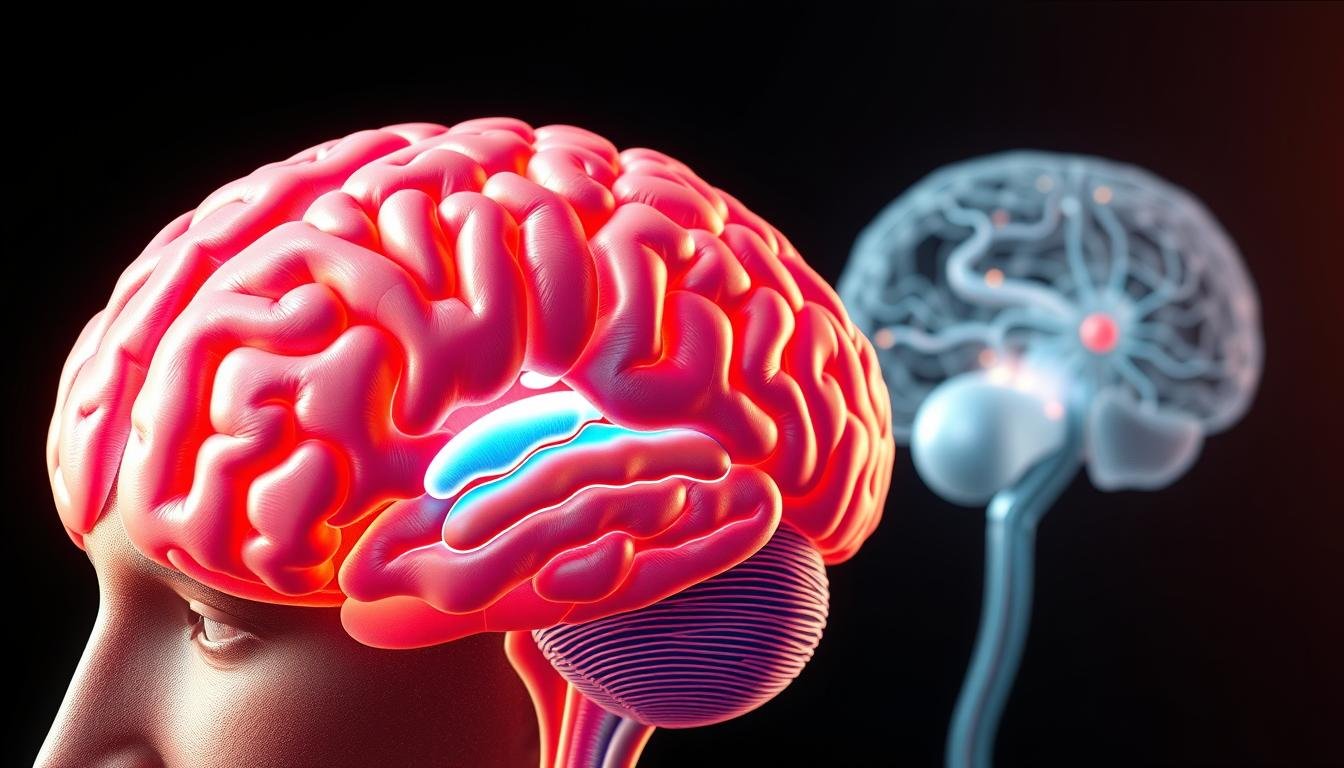
The brain has a special system for focusing. It filters out distractions and picks out what’s important. The prefrontal cortex, a key part of the brain, helps us make decisions and stay on task.
This area of the brain is vital for staying clear-headed and focused.
The Cognitive Limits of Concentration
Our brains can concentrate for a long time, but there’s a limit. Studies say we can focus for about 45-60 minutes before we need a break. Knowing this helps us plan our work better, like taking breaks to stay productive.
10 Proven Focus Boost Ideas That Actually Work
Improving concentration is possible with quick fixes and lasting habits. We’ll look at 10 focus boost ideas to boost your productivity.
Quick-Win Techniques for Immediate Focus
Here are some quick ways to improve your focus:
- Pomodoro Technique: Work in focused 25-minute bursts, then take a 5-minute break.
- Mindful Breathing: Spend a few minutes on your breath to reduce stress and boost focus.
- Task Prioritization: Start with the most critical tasks.
- Break Reminders: Taking regular breaks helps keep your focus sharp and prevents burnout.
- Single-Tasking: Focus on one task at a time to avoid divided attention.
Sustainable Practices for Long-Term Concentration
For lasting focus, adopt habits that support consistent concentration:
- Regular Exercise: Exercise boosts your brain and focus.
- Meditation Practice: Regular meditation sharpens your attention and reduces distractions.
- Consistent Sleep Schedule: Good sleep is key for clear thinking and focus.
- Healthy Nutrition: Eating well supports your brain and focus.
- Digital Detox: Taking breaks from screens reduces distractions and improves focus.
By adding these focus techniques and concentration methods to your day, you’ll see a big boost in productivity and reach your goals.
Optimizing Your Environment for Maximum Focus
A well-designed workspace can make a big difference in your day. It affects how well you can focus. By making your workspace better, you can improve your concentration and work better.
Designing a Distraction-Free Workspace
It’s important to have a workspace with no distractions. This means keeping it clean and only using it for work. Using a standing desk or a comfy, ergonomic chair helps you stay focused. Noise-cancelling headphones or soft music can also block out annoying sounds.
The Impact of Lighting, Sound, and Temperature
The feel of your workspace, including lighting, sound, and temperature, matters a lot. Natural light is best, but good lamps can help if you can’t have that. Some like quiet, while others prefer some background noise. A comfy temperature, like 72°F to 76°F, also helps you stay focused.
Organizational Systems That Reduce Mental Load
Using organizational systems can clear your mind and help you focus. This includes filing papers, using task management tools, and organizing your computer. Less mental clutter means you can focus better on your work.
By following these tips, you can make a space that helps you focus and work well. This will help you reach your goals faster.
Physical Health Foundations for Mental Clarity
Our ability to concentrate and stay focused is linked to our physical health. A healthy body helps a healthy mind. Certain physical health foundations are key for mental clarity.
Sleep Optimization Strategies for Better Focus
Quality sleep is key for our brain. Sleep optimization means creating a sleep-friendly space. It also means sticking to a sleep schedule and avoiding caffeine at night. Better sleep leads to better focus and mental clarity.
Exercise Routines That Enhance Cognitive Function
Regular exercise routines boost both physical and mental health. Activities like running, yoga, and weightlifting improve focus and memory. Adding these to your daily routine can greatly improve your mind.
Breathing and Movement Techniques for Instant Focus
Deep breathing and movement practices like tai chi or qigong help focus right away. They calm the mind, lower stress, and increase brain oxygen. This improves mental clarity.
| Physical Health Foundation | Benefit to Mental Clarity |
|---|---|
| Sleep Optimization | Improves focus and cognitive function |
| Regular Exercise | Boosts cognitive function and mental processing speed |
| Breathing and Movement Techniques | Enhances instant focus and reduces stress |
Nutrition and Dietary Approaches to Sharpen Concentration
Improving concentration starts with good nutrition. Eating a balanced diet fuels the body and boosts brain function. Adding certain foods to your diet can sharpen your mind and keep you focused all day.
Brain-Powering Foods and Nutrients
Some foods are great for your brain and focus. Fatty fish, nuts, and leafy greens are full of good stuff. Nutrients like vitamin D, B6, and B12 are key for brain health. Not having enough can make it hard to focus.
| Food | Nutrient | Benefit |
|---|---|---|
| Fatty Fish | Omega-3 | Improves cognitive function |
| Nuts and Seeds | Antioxidants | Protects against cognitive decline |
| Leafy Greens | Vitamins and Minerals | Supports overall brain health |
Hydration’s Critical Role in Mental Performance
Drinking enough water is key for staying sharp. Even a little dehydration can hurt your focus and memory. It’s important to drink water all day. Aim for eight glasses a day, but adjust based on how active you are and where you live.
Strategic Use of Caffeine and Natural Stimulants
Caffeine and natural stimulants can help you stay alert. But use them wisely to avoid feeling jittery or unfocused later. Drink caffeine in moderation and mix it with other stimulants for better, longer-lasting effects.
Knowing how to use nutrition, hydration, and stimulants can really improve your concentration and mental sharpness.
Digital Tools and Technology for Focus Management
Today, we face many digital distractions. Using technology to boost focus is key. Many tools and technologies help us manage our focus better.
Productivity Apps and Focus Timers
Productivity apps and focus timers keep us on track. Todoist and RescueTime show how we spend our time. This helps us plan better and stay focused. Focus timers, like the Pomodoro Technique, help us concentrate by working in short, focused periods.
Distraction-Blocking Software and Browser Extensions
Distraction-blocking software and browser extensions are vital. They help cut down digital distractions. Freedom and Cold Turkey block distracting sites and apps on all devices. Browser extensions like StayFocusd limit time on non-essential sites.
Digital Minimalism Practices for the Modern Worker
Digital minimalism means simplifying our digital lives to reduce distractions. This includes cleaning up digital files, unsubscribing from unwanted emails, and limiting social media. These practices help create a more focused digital space.
| Tool/Type | Description | Example |
|---|---|---|
| Productivity Apps | Helps in organizing tasks and tracking time | Todoist, RescueTime |
| Focus Timers | Assists in maintaining focus through timed intervals | Pomofocus, Tomato Timer |
| Distraction-Blocking Software | Blocks distracting websites and apps | Freedom, Cold Turkey |
Using these digital tools and following digital minimalism can greatly improve our focus and productivity.
Psychological Techniques to Strengthen Attention Span
Psychological techniques can greatly improve focus and concentration. They help us stay on task in a world full of distractions. By using these methods, we can better our ability to focus.
Meditation and Mindfulness for Focus Training
Meditation and mindfulness are great for improving attention span. They teach the mind to stay focused and aware.
Guided meditation is helpful for beginners. It follows a narrator’s voice to keep the mind focused.
Mindful Attention Training Exercises
Mindfulness exercises, like focusing on breath or tasks, improve attention. They train the mind to stay present.
Cognitive Behavioral Strategies for Concentration
Cognitive Behavioral Therapy (CBT) can boost concentration. It helps by challenging negative thoughts and reducing distractions.
Setting clear goals and breaking tasks into steps also helps. Rewarding progress keeps us focused.
Creating Effective Focus Rituals and Cues
Creating rituals and cues signals the brain to focus. It could be making coffee, lighting a candle, or playing specific music.
Using these rituals before work helps the brain associate them with focus. This makes it easier to get into a flow state.
Overcoming Focus Killers and Distractions
It’s getting harder to stay focused with all the distractions we face every day. To keep our productivity and mental clarity up, we need to find ways to fight these distractions.
Managing Digital Interruptions and Notifications
Digital distractions are a big problem. To tackle them, try turning off non-essential notifications. Use tools like Freedom or Cold Turkey to block distracting websites. Also, set specific times to check your emails and messages.
Techniques for Handling Stress and Anxiety
Stress and anxiety can really mess with our focus. Mindfulness meditation, deep breathing, and exercise can help. Taking regular breaks and practicing gratitude also boosts our mental health.
Solutions for Mental Fatigue and Brain Fog
Mental fatigue and brain fog can be tough to deal with. Make sure to get enough sleep and eat well. Regular exercise is also key. Avoid multitasking and take breaks to prevent burnout.
By using these strategies, we can cut down on distractions, improve our focus, and boost our productivity.
Time Management Systems That Enhance Focus
Mastering time management is key to unlocking your full potential and maintaining focus. Effective time management lets you prioritize tasks, cut down on distractions, and boost productivity.
Popular Time Management Techniques
The Pomodoro Technique is a popular method. It involves working in focused 25-minute increments, followed by a 5-minute break. This technique keeps your concentration sharp and prevents burnout. Time blocking is another strategy where you divide your day into blocks for specific tasks. It helps avoid multitasking and reduces switching between tasks.
Task Batching and Context Switching Reduction
Task batching groups similar tasks together and completes them in one session. This method cuts down on mental fatigue from switching tasks. It makes you work more efficiently by reducing the need to constantly switch between tasks.
Energy Management vs. Time Management Approaches
Traditional time management focuses on scheduling tasks. But energy management looks at aligning tasks with your natural energy levels. By understanding and using your energy patterns, you can boost your productivity and stay focused all day.
Using these time management systems can greatly improve your focus and productivity. By picking the right techniques and tailoring them to your needs, you can enhance your concentration and reach your goals.
Focus Strategies for Different Types of Work
Different tasks need different focus strategies to boost productivity. Knowing what your work is about is key to using the best techniques to stay on track.
Concentration Techniques for Creative vs. Analytical Tasks
Creative tasks, like writing or designing, need a unique focus approach. Techniques such as freewriting or brainstorming spark ideas and keep the flow going. On the other hand, tasks that need analysis, like data analysis or solving problems, work better with structured methods like task segmentation and priority setting.
Specialized Focus Methods for Learning and Study
For learning and studying, active recall and spaced repetition are top-notch focus methods. Active recall means recalling information from memory, not just re-reading it. Spaced repetition involves reviewing material at longer intervals to help keep it in your memory longer. Using these methods in your study routine can greatly improve your focus and memory.
“The key to success is to focus our conscious mind on things we desire not things we fear.” – Unknown
Conclusion: Building Your Personalized Focus Enhancement Plan
Now that you’ve looked at ways to improve your focus, it’s time to make a plan just for you. A good focus plan can really boost your productivity and help you reach your goals.
First, pick the strategies that you liked best. Maybe it was making your workspace better, using digital tools, or practicing mindfulness. Choose the ones that fit your work style and what you like. Then, add these strategies to your daily routine, starting with small steps.
As you follow your plan, keep an eye on how it’s going and tweak it if needed. Remember, building new habits takes time. With the right techniques and regular practice, you can improve your focus and increase your productivity.
By following these steps and staying true to your goals, you can build a personalized productivity system. This system will help you stay focused and achieve success.
FAQ
What are Focus Boost Ideas, and how can they improve my productivity?
Focus Boost Ideas are methods to improve your concentration and mental clarity. They help you stay focused and achieve your goals more efficiently.
How does the brain’s attention system work, and what are its limitations?
The brain’s attention system filters and prioritizes information. It can only focus on one task for a short time before getting tired.
What are some quick-win techniques for immediate focus, and how can I implement them?
Quick-win techniques include the Pomodoro Technique, time blocking, and reducing distractions. To use them, set timers, schedule tasks, and create a good work environment.
How can I optimize my workspace to maximize focus, and what factors should I consider?
To optimize your workspace, make it distraction-free. Adjust lighting, sound, and temperature to be comfortable. Use organizational systems to reduce mental load.
What role does sleep, exercise, and nutrition play in maintaining mental clarity and focus?
Sleep, exercise, and a balanced diet are key for mental clarity and focus. Sleep well, exercise regularly, and eat foods that boost your brain.
How can digital tools and technology help with focus management, and what are some recommended productivity apps?
Digital tools like productivity apps and focus timers help manage focus. Apps like Freedom, StayFocusd, and Forest block distractions and keep you on track.
What psychological techniques can help strengthen attention span, and how can I practice them?
Meditation, mindfulness, and cognitive strategies can improve attention span. Practice these by meditating regularly, focusing your attention, and creating focus rituals.
How can I overcome common focus killers and distractions, such as digital interruptions and stress?
To overcome distractions, manage digital interruptions and handle stress with relaxation techniques. Also, take breaks and practice self-care to avoid mental fatigue.
What time management systems can enhance focus, and how do they work?
Systems like the Pomodoro Technique, time blocking, and task batching enhance focus. They structure work into intervals, reduce switching tasks, and prioritize tasks.
Are there specialized focus strategies for different types of work, such as creative or analytical tasks?
Yes, different work types need specific focus strategies. Creative tasks benefit from brainstorming and mind mapping. Analytical tasks are better with the Feynman Technique and task decomposition.